
Checking Criminal History in Kissimmee
Start with the record type. Kissimmee Police Department keeps KPD incident and arrest reports. Osceola County Corrections keeps booking and current-custody data. The Osceola Clerk keeps filed misdemeanor, criminal traffic, and felony cases. FDLE offers a separate statewide Florida name search. Each source answers a different question.
- Confirm that KPD, rather than the Sheriff, made the report.
- Request the city report with the incident number, date, place, names, and media sought.
- Check Osceola County Corrections for current custody or a daily arrest report.
- Search the Osceola Clerk after prosecutors file a County or Circuit Court case.
- Use FDLE CCHInet for a statewide Florida name-based history.
Kissimmee Address, Different Police Record
A Kissimmee postal label does not prove city jurisdiction. Large unincorporated parts of Osceola County use Kissimmee mailing addresses but receive law enforcement from the Sheriff's Office. The booking record's arresting-agency field is the best routing clue. If it lists KPD, use the city Police Records channel. If it lists the Sheriff, use Sheriff records.
When the agency is unclear, give the date, time, location, and involved name to the likely custodian. Ask whether another office owns the report. City and Sheriff files are not interchangeable. A precise request reduces delay and avoids paying for a search in the wrong place.
Kissimmee Police Department Records
The official Kissimmee Police Records request page is the right start for KPD-created reports. Describe the record with an incident number when known, event date and time, location, involved names, and the exact paper, audio, video, or other media sought. Ask for a cost estimate before broad review.
Florida does not require a stated reason. Yet active investigations, juvenile and victim information, protected identifiers, body-camera video, and 911 or dispatch records may need exemption review. Ask for the segregable public part when the whole file cannot be released. Email sent to a Florida agency may itself become public.
| Input | Need | Use |
|---|---|---|
| Record description | Essential | Names the report or media |
| Incident number | Optional | Fastest matching key |
| Date, time, location | Optional | Narrows the event |
| Involved names | Optional | Helps identify the file |
| Contact and format | Portal dependent | Supports estimate and delivery |
Kissimmee Records in a Growing City
The Census Bureau estimated Kissimmee's 2024 population at 84,756, seven percent above its 2020 estimate base. QuickFacts reports 68.8 percent Hispanic or Latino residents and 37.4 percent foreign-born residents. The city spans 21.51 square miles, with a 2020 density of 3,683.7 people per square mile.
Those facts help explain language and access needs in a busy county-seat records hub. Ask KPD staff about accessible formats and language help. For qualifying court proceedings, interpreter arrangements run through the Ninth Judicial Circuit. KPD annual reports offer city police context, but their figures should not be treated as county booking or conviction totals.
Kissimmee also sits beside the county's main court district and near major tourism routes. That geography produces records held by several agencies within a small area. A KPD call may lead to a county booking, a Circuit or County Court file, and a later FDLE update. Keep the date and source with every result. City police statistics describe KPD activity, while County Corrections reports measure bookings and custody. Neither set alone states how many people were convicted. When figures differ, check the covered dates, agency boundaries, and definitions before comparing them.
What Kissimmee Police Reports Prove
A KPD incident report records what officers observed, received, or investigated at a city event. It may identify the call, location, people involved, allegations, property, evidence, and officer actions. It does not establish that every allegation was true. Nor does it show the final charging decision or court outcome. Those later facts belong to the State Attorney and Osceola Clerk records.
This difference matters when reviewing your own history or trying to understand a known event. First, read the report for the initial account. Next, compare the Osceola Corrections booking entry if an arrest occurred. Then find the filed information and each count's disposition in the Clerk docket. A nolle prosequi means the prosecutor chose not to continue a charge. A dismissal ends a charge by court action. Adjudication withheld is a distinct Florida outcome and is not the same as dismissal.
A city report may also contain material that cannot be released in full. Active investigative facts, protected victim or juvenile information, medical details, and personal identifiers can be withheld or redacted. If a response appears incomplete, cite the incident number and ask which exemption was applied. Request the public portions in a usable format. Do not assume that a blank field or blacked-out passage means the underlying fact never existed.
Current Custody Versus Kissimmee History
The Osceola current-inmate result is designed for people in county custody now. It changes several times each day and drops a released person on a later update. A historical KPD report does not vanish for that reason. The daily arrest report preserves a date-based booking view, subject to public-access limits, while the police report remains with its creating agency.
For an older Kissimmee event, work backward from the best known identifier. A court case number leads to the Clerk docket. A booking number leads to Corrections. An incident number leads to KPD. A name alone is less certain, especially where common names produce several candidates. Compare dates, agency, case type, and other lawful identifiers before concluding that two results concern the same person.
Kissimmee Arrests and Bookings
KPD arrestees are normally processed through Osceola County Corrections at 402 Simpson Road, not a separate long-term city jail roster. The county's current inmate tool tracks present custody. It updates several times daily and removes released people on a later update. Daily Arrest Reports provide a date-based booking snapshot.
A booking entry may show agency, intake, charge, bond, and custody facts. It proves intake, not guilt. The State Attorney can decline, change, or add charges. Once a case is filed, the Clerk docket becomes the source for court events and outcomes. The Osceola arrest lookup covers the full county channel chain.
Trace a Kissimmee Arrest to Court
Use the KPD incident number for the city report, then note booking identifiers and any court case number. The Clerk search accepts a party name or case number. A number is safer because names can collide. “CF” commonly marks a felony file, “MM” a misdemeanor, and “CT” criminal traffic.
Review each count. The jail charge may differ from the filed information. One count can be dismissed while another ends in a plea. If no case appears, filing may still be pending or the name may differ. Call Clerk case information at 407-742-3566 instead of treating no result as proof of no case.
Municipal Court Records in Kissimmee
Kissimmee has no ordinary municipal criminal court. Florida abolished municipal courts. State misdemeanors and criminal traffic charges go to Osceola County Court, while felonies go to Circuit Court. City ordinance and code matters may use city administrative processes, but they are not a separate municipal criminal-history docket. Search Osceola criminal court cases for filed state charges.
| Court name | Osceola County Court or Ninth Judicial Circuit |
|---|---|
| Case types | Misdemeanor and criminal traffic in County Court; felonies in Circuit Court |
| Lookup | Osceola Clerk Search Court Records or Clerk request |
| Docket | Counts, hearings, pleas, orders, disposition, and sentence |
| Copies | Plain or certified records from the Clerk |
Kissimmee Courthouse Square Records Hub
Several Osceola justice offices cluster around Courthouse Square. Clerk Criminal Records is at 2 Courthouse Square, Suite 2000. The State Attorney is in Suite 3500, while the Public Defender is at 1 Courthouse Square, Suite 3200. Their roles and records differ.
The Clerk is the file custodian. The prosecutor decides formal charges. The defender represents eligible clients and keeps protected communications. Use the suite printed on the form because the nearby Historic Courthouse is a different building. The record-search clerk is 407-742-3650, and the main Clerk number is 407-742-3500.
Where Kissimmee Records Go
KPD creates the report. Osceola County Corrections creates the booking and sends fingerprints and charge data through Florida's network. If the State Attorney files, the Clerk opens a County or Circuit Court case. The Clerk later reports the disposition to FDLE.
Record flow: Kissimmee Police Department › Osceola County Courts › Florida Department of Law Enforcement
Recent events may appear in booking data before a case exists. Older outcomes belong in the Clerk docket and may later reach FDLE. For review of your own record, compare the KPD report, booking, court disposition, and FDLE personal-review result.
Kissimmee Official Record Sources
The official Kissimmee Police page identifies the city source.
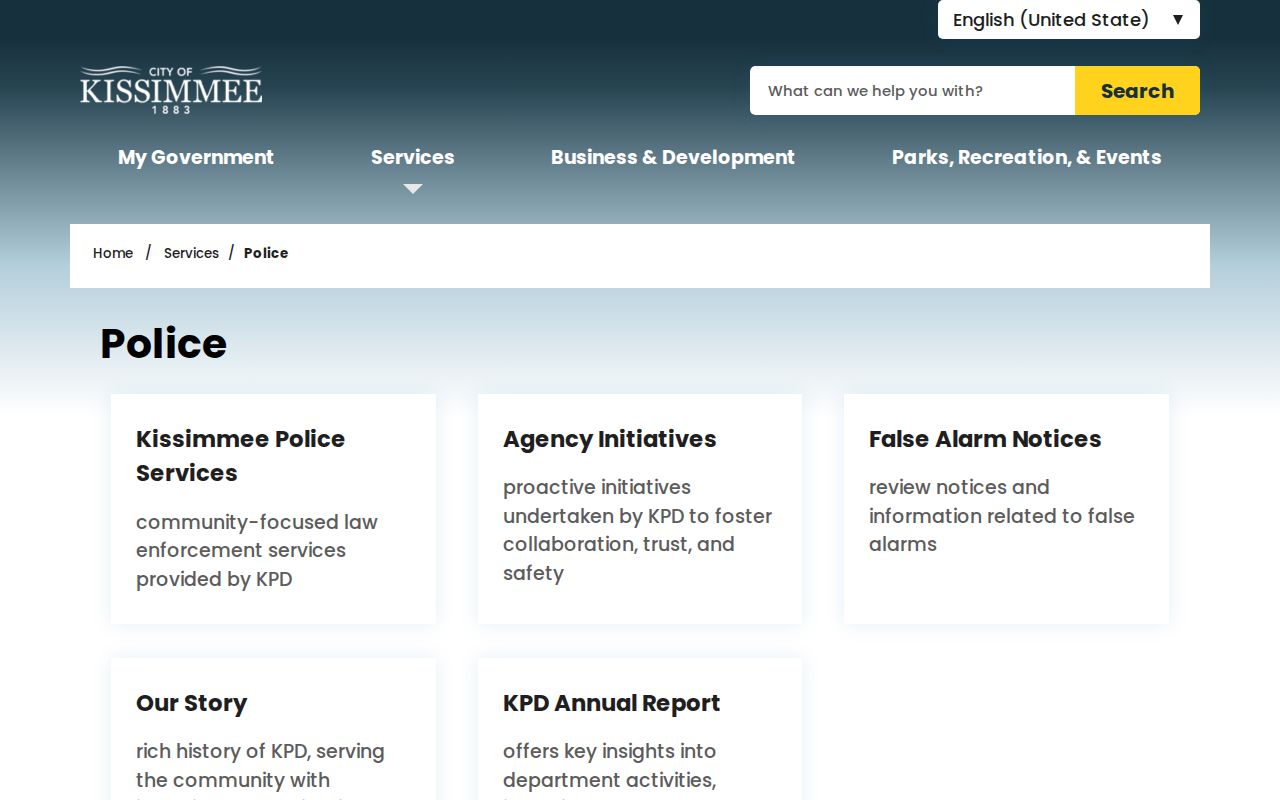
Use its Police Records route for KPD reports, not county court files.
Florida's constitutional access provision sets the public-record base.
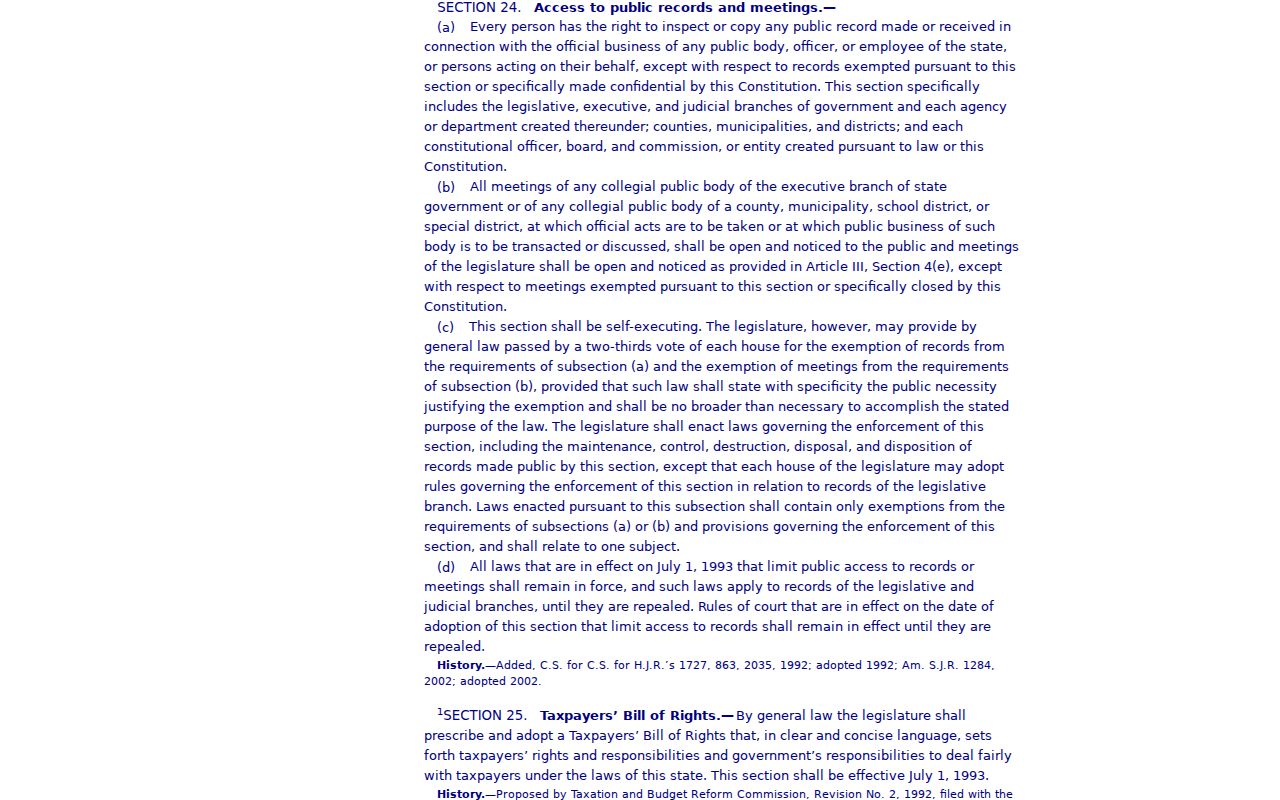
Exemptions and court rules still govern release.
The Federal Bureau of Prisons locator is a separate federal channel.
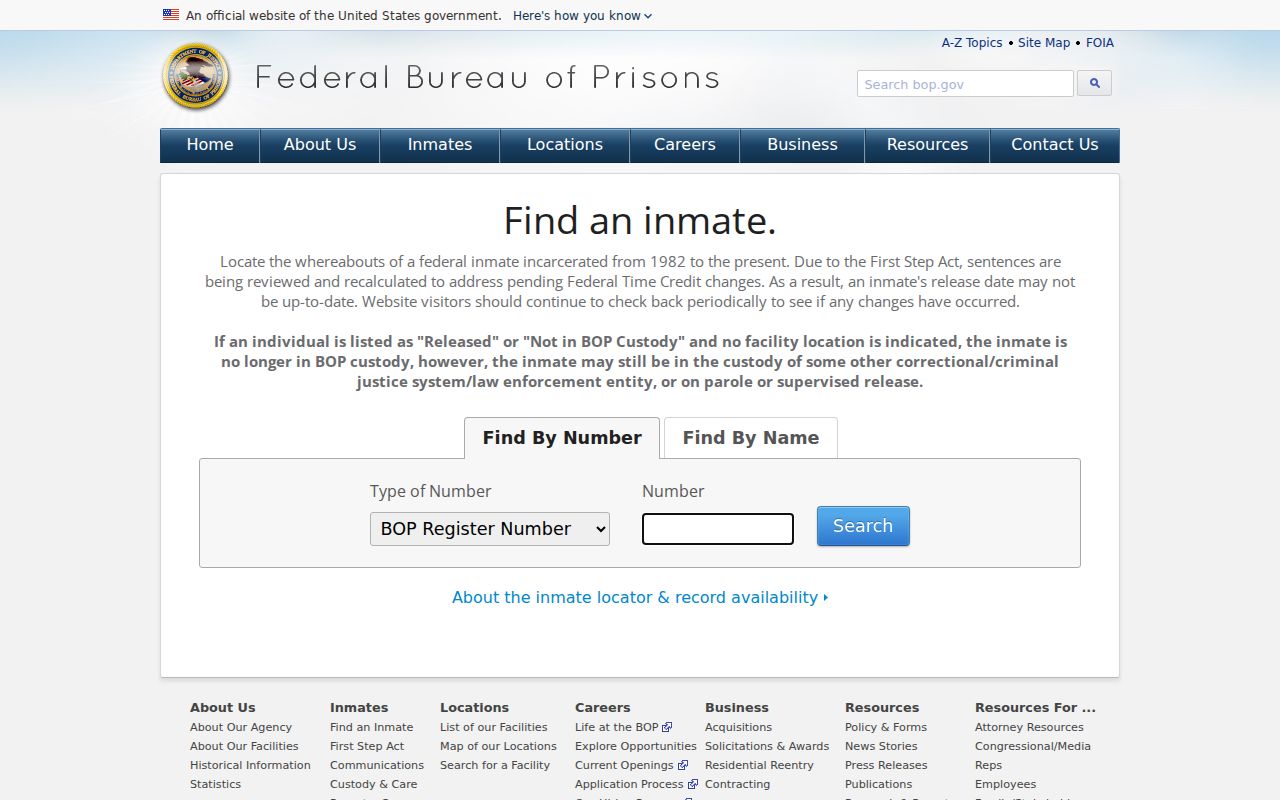
It does not show local Osceola County custody.
Public Access Rules in Kissimmee
Florida's broad access rule applies to Kissimmee, but the city must redact or withhold material protected by law. This may include active investigative details, juvenile and victim data, medical facts, identifiers, sealed matters, and some recordings. Ask for the nonexempt part and a written estimate when review is extensive.
Key Statutes:
Florida Constitution article I, section 24 sets the access right, subject to exemptions.
Chapter 119, Florida Statutes governs inspection, copies, fees, and redaction.
Section 943.053, Florida Statutes governs state criminal-history dissemination.